Helping Young Professionals Navigate the Challenges of Launching Their Careers
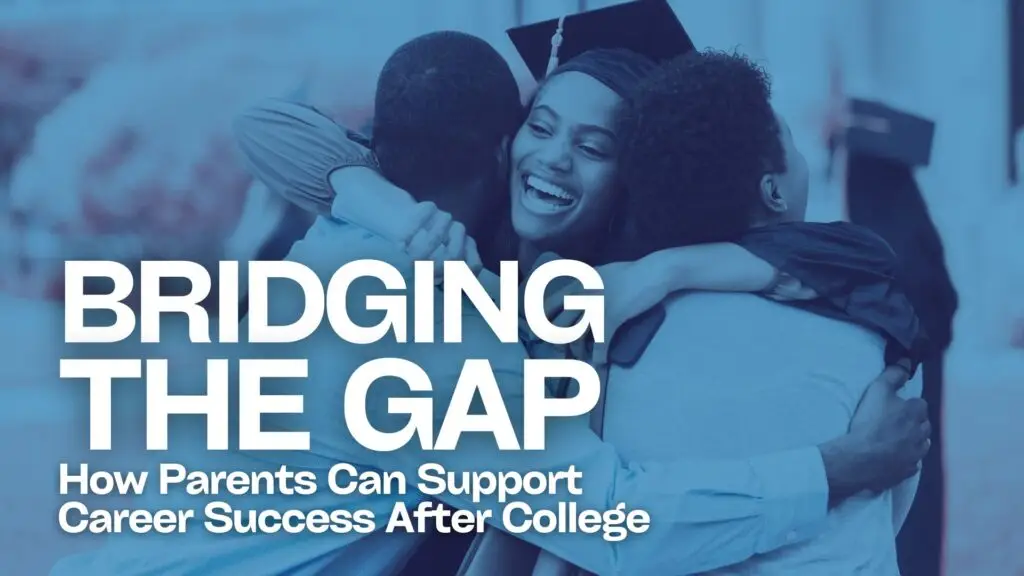
Entering the workforce after college has never been more complex. Today’s young professionals face a rapidly changing job landscape, evolving expectations, and often, a gap in support exactly when they need guidance most. In a recent BFG Financial Advisors webinar hosted by Eric Brotman, career coach Kristen Worrall shared valuable insights on how parents can guide their children through these critical early career years. From building networks to managing burnout—and even navigating the new realities introduced by AI—parents and mentors play a key role in setting up young adults for success. Let’s explore the practical strategies and big-picture lessons discussed in this session.
The Launch Gap: Why Support Drops Off
For many students, the path to college is paved with tutoring, coaching, and mentorship. But after graduation, that support network diminishes abruptly. According to Kristen Worrall, the sudden shift can be jarring: “Unless they get a great manager or a mentor, most young professionals are left to figure things out on their own” 02:14. Notably, coaching support returns only at the managerial and executive levels, leaving a “missing middle.”
The pandemic has exacerbated feelings of isolation for recent grads, with remote work stripping away daily social interactions and informal feedback. Meanwhile, young adults face important decisions about housing, student loan repayment, and navigating unfamiliar employee benefits—topics that, as Eric Brotman noted, even seasoned professionals often find challenging 05:31.
Underemployment and Navigating a Challenging Job Market
Today’s job market presents unique hurdles. Underemployment—the phenomenon of working in jobs that don’t require your degree—is alarmingly common, affecting over 43% of recent graduates 07:25. The rise of AI has led 66% of organizations to reduce entry-level hiring, tightening competition further.
Parents can help by leveraging their networks where possible and encouraging side gigs or freelance opportunities. As Eric Brotman reflected, “Side hustles can help close the gap and pay the bills while building career experience” 10:01. More importantly, the emphasis remains on building—and maintaining—professional relationships, especially since personal connections still open many doors that résumés alone cannot.
Burnout: Why Harder Isn’t Always Better
As young professionals work to prove themselves, many fall into the trap of overwork. Kristen Worrall cautioned that while hard work is important, “working smarter—not just harder—is key to advancement” 13:06. Young grads may overcompensate for a lack of direction or feedback by putting in extra hours, but this path only leads to fatigue and frustration, not recognition.
Both speakers emphasized the importance of mentorship, boundaries, and consciously building a personal brand—qualities that help young workers stand out without burning out 19:39.
Advancing in Your Career: The Importance of Visibility and Mentorship
Advancement in today’s workplace isn’t always about meeting quotas or exceeding targets. Kristen Worrall shared from experience that, “You have to own your career, build your brand, and actively control the narrative around your work” 19:39. Office politics, sponsorship, and mentorship often matter as much as performance.
Internships and targeted experience in college lay important groundwork, but continuous self-development, educational upskilling, and nurturing professional networks remain essential. As Eric Brotman noted, “Education is a continuum; your skill set must evolve over time as the workforce changes” 22:19.
The AI Factor: Embracing Change While Doubling Down on Human Skills
Artificial intelligence is rapidly transforming entry-level jobs and application processes—a trend that will only accelerate. Yet, as Kristen Worrall explained, soft skills like critical thinking, creativity, relationship management, and adaptability are becoming even more valuable 48:05. If young workers can collaborate with AI to increase productivity—while focusing on uniquely human contributions—they will thrive.
Mentorship: Finding and Fostering Guidance
Finding a mentor is critical. While only 25% of young professionals have one today, mentorship dramatically improves career outcomes 35:47. Parents can help their children identify possible mentors within personal networks, professional associations, or even among former teachers and colleagues.
Kristen Worrall emphasized, “People like to be asked for guidance—it’s a sign of respect and an honor” 57:23. Encouraging young adults to reach out, build relationships, and take initiative can make all the difference.
Conclusion: Ladders to Success
Building a career after college is not a solitary journey. With the right mix of emotional support, practical advice, and strategic relationship-building, parents can play an active role in bridging the post-college support gap. Whether it’s navigating the complexities of a first job, finding mentors, resisting burnout, or adapting to new workforce realities, helping your child know themselves and their values is the best foundation you can offer for lifelong success.
If you want more personalized guidance, consider engaging with professional coaches or financial advisors who specialize in young professionals. The journey may look different today than it did for previous generations, but with the right tools and mindset, it remains full of promise and possibility.